
Hibiscus tea is not only a drink but full of nutrients. There are multiple ways to enjoy this drink, but today I am not going to talk about recipes like hibiscus tea, hibiscus lemonade or hibiscus latte. Today we are only going to discuss the benefits of this tart herbal drink.
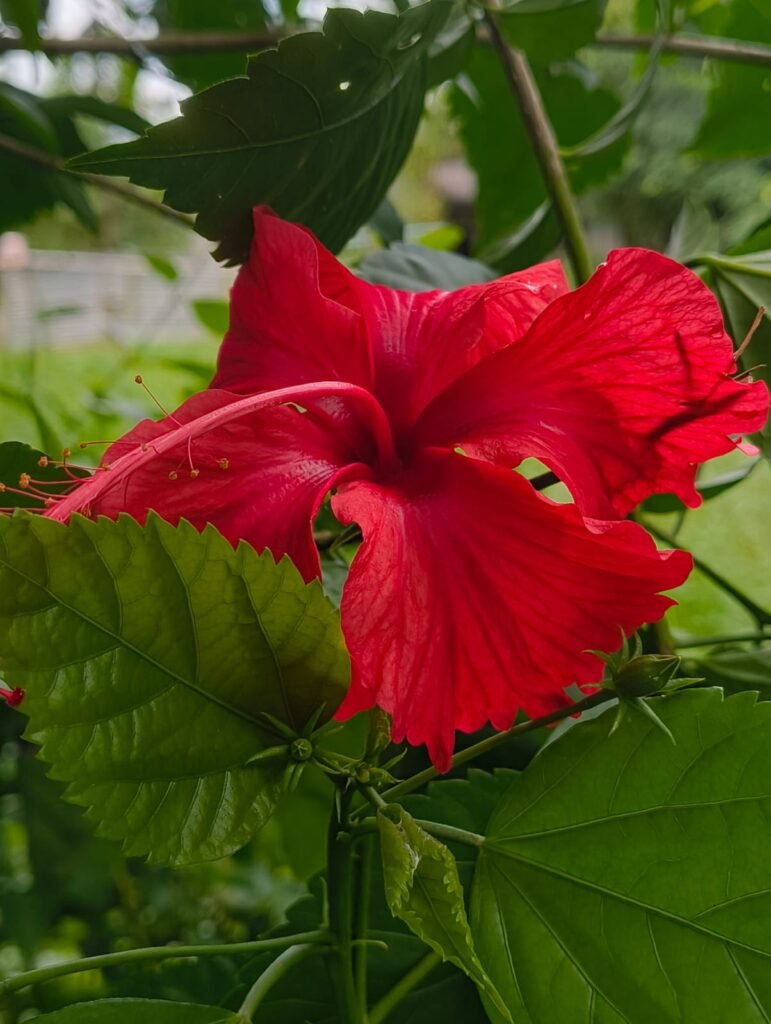
What is hibiscus tea?
Hibiscus tea is a drink made with dry hibiscus flowers (calyx) and water. The scientific name of this flower is Hibiscus rosa-sinensis. This flower has been used since ancient times as a herbal medicine and in food.
Traditionally hibiscus flowers are from Africa, they are African native, and also widely grown in India, Malaysia, because of the favourable climate.
Hibiscus flowers are naturally caffeine-free, tart due to its hibiscus acid, which makes it suitable for caffeine-sensitive people.
They are also high in antioxidants and nutrients which are proved to reduce oxidative stress marker malondialdehyde.
And if you like the taste and the tea suits you, you can easily take 2 to 3 cups a day and reap the benefits from it.
10 benefits of hibiscus tea
Blood Pressure Management
Hibiscus helps in blood pressure management by inhibiting ACE enzyme in our body,increasing nitric oxide, which actually helps to lower blood pressure and bring it back to normal.
Post-Meal Sugar Control
Hibiscus tea can also help in controlling blood sugar spikes if we take it 30 minutes before the meal. The anthocyanins present in hibiscus tea slow down carbohydrate digestion, which prevents a sudden sugar spike in blood.
Cholesterol Balance
Hibiscus tea helps in cholesterol balance because of the anthocyanins present in it, especially delphinidin-3-sambubioside, which helps to prevent LDL oxidation and prevents the arteries from damage.
Powerful Antioxidants
Do you know hibiscus tea contains 2x more antioxidants than green tea in some lab tests due to delphinidin-3-sambubioside, which makes it more powerful than other teas.
Brain Support
Research done on hibiscus tea in 2025 shows that hibiscus tea can help you in better memory retention and less interference between old and new learning, actually quite fascinating.
Heart Health Combo
Hibiscus is really good for the heart because it provides a complete combo. It lowers blood pressure, it has lipids and antioxidants which reduce oxidative stress and strengthen our heart. That’s why hibiscus tea provides a healthy combo for our heart.
Weight & Metabolism
Hibiscus tea is very low in calories, helps reduce cravings for sugary drinks, and supports healthy metabolism when combined with diet.
Hydration & Digestion
The tart taste of hibiscus tea increases saliva and the mild diuretic effect of it helps reduce bloating. That’s why in old times people were using it as a digestive drink.
Skin & Anti-ageing Link
Hibiscus is very high in vitamin C and antioxidants, and we all know that these two ingredients are very important to boost collagen production and very helpful to reduce oxidative damage to skin cells.
Stress & Mood
As I told you before, hibiscus tea is caffeine-free, which makes it calming for our body. Some traditional use for relaxation, though BP-related calmness is more evidence-based.
Side Effects of Hibiscus tea –
We all know that everything has a positive and negative side, so does hibiscus tea. Till now we have only discussed the positives and the benefits of hibiscus tea, but it is also important to know the potential side effects of it.
Hibiscus tea is generally safe when you have 1 to 3 cups a day, but it can cause some side effects for certain people. Since it helps lower blood pressure, it can make you feel dizzy or tired if your BP is already low or if you are taking BP tablets. It also lowers the sugar spike after meals, so if you are on diabetes medicine you should keep an eye on your sugar levels. Because it is naturally sour, some people feel acidity or slight stomach discomfort if they drink it on an empty stomach, so it is better to have it after food. Doctors also advise to avoid it during pregnancy and breastfeeding as high doses may affect hormones. If you take it in very high doses for a long time it may put a little extra load on the liver, and people who get kidney stones often should also drink it in moderation. So keep it to 1-2 cups a day after meals, without milk, and if you are on any regular medicine or have low BP, liver or kidney issues, just check with your doctor once.